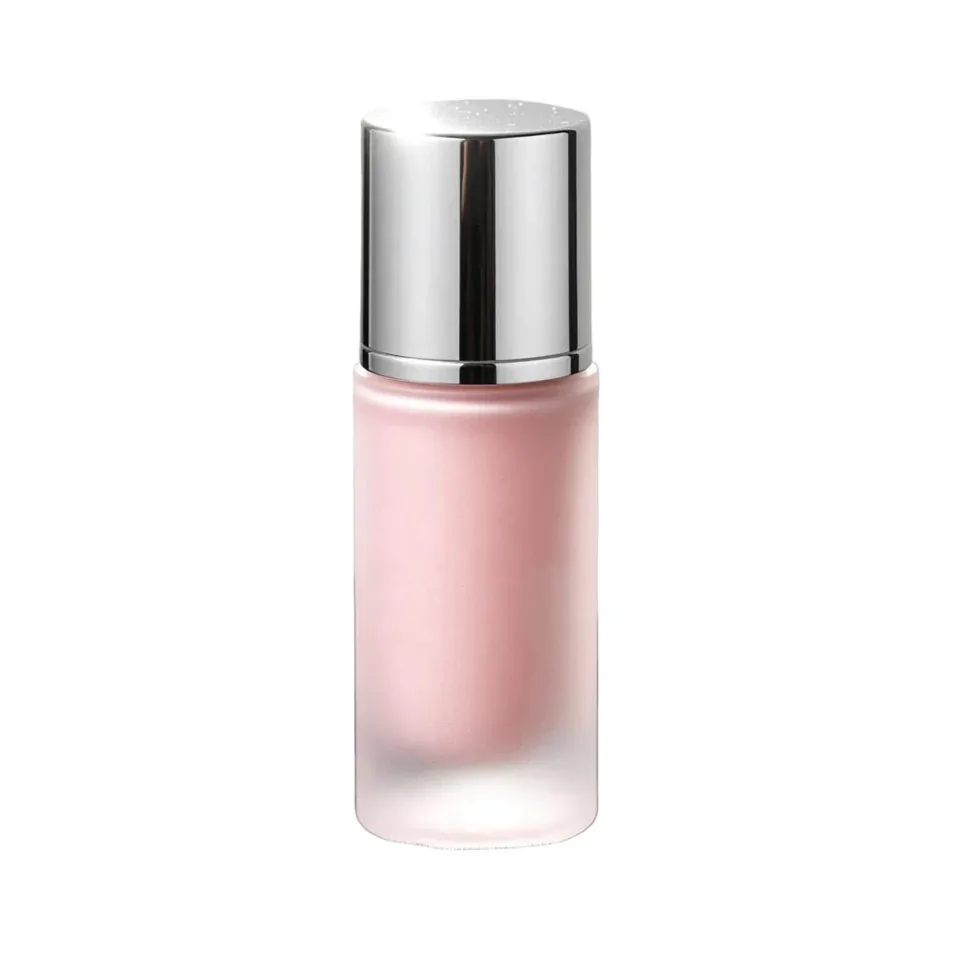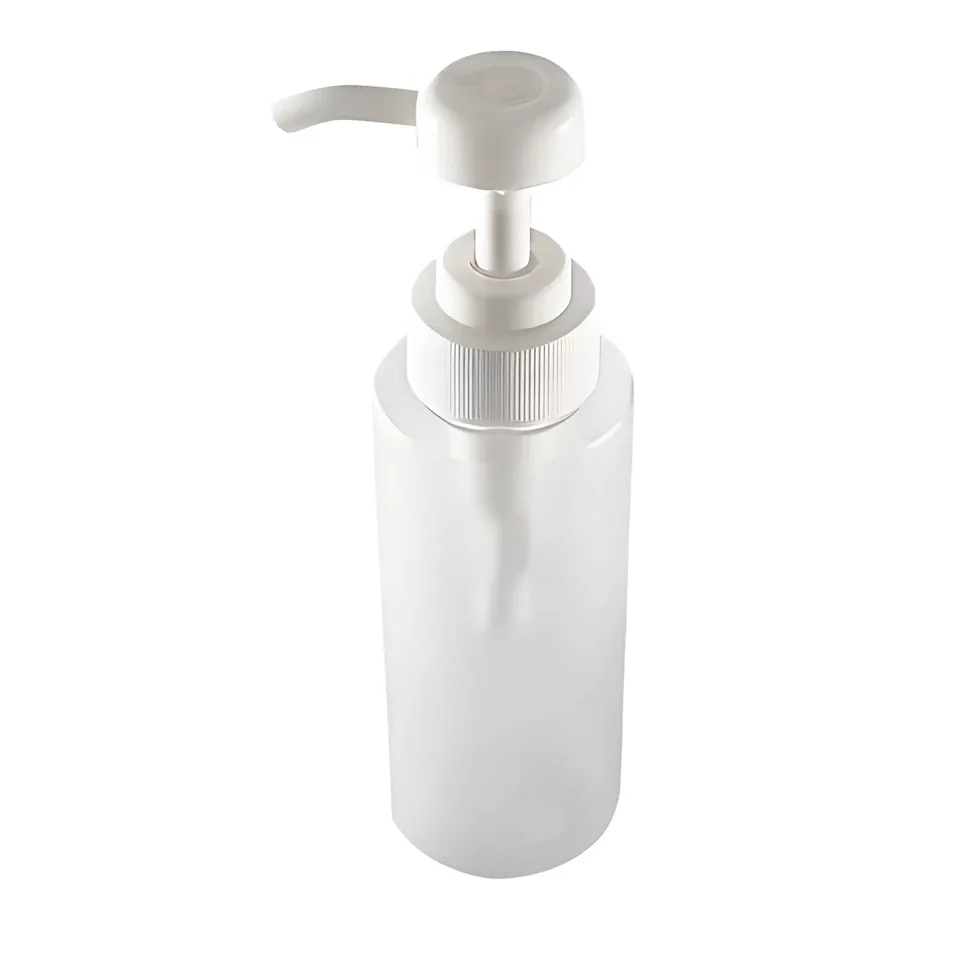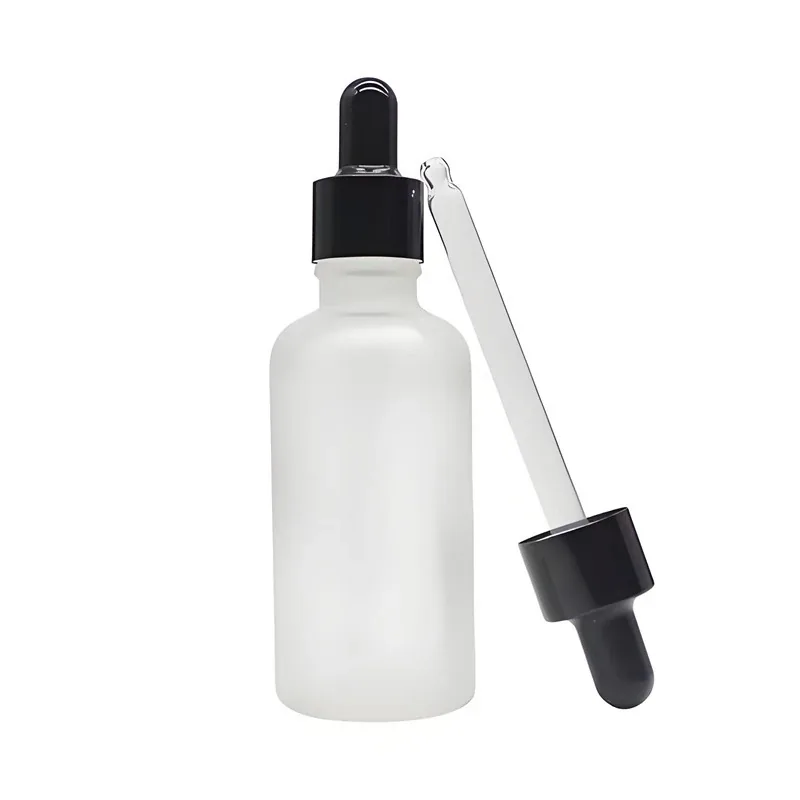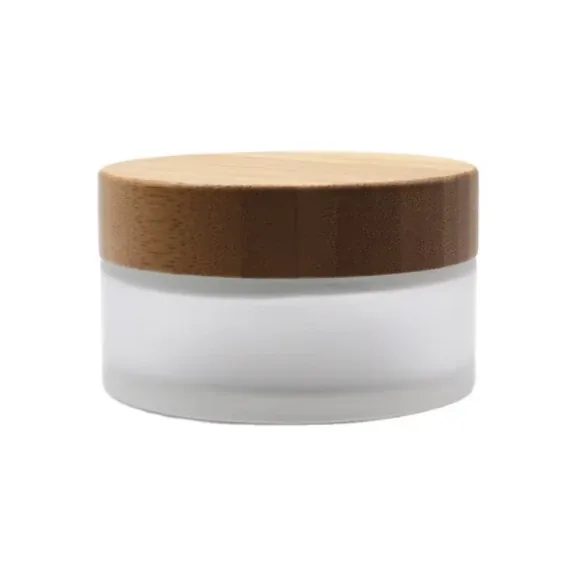
We have covered the general comparison before. Glass vs. plastic bottles looks at glass and plastic side by side — weight, breakage, cost, shelf presence. The wider material menu walks through the broader options: aluminium, laminated tubes, jars, cartons. If you are still deciding at that level, read those first.
This post is for the stage after that, when the real question arrives: how much recycled content should we put into this pack, and what does that decision actually cost us? I have spent more than fifteen years developing cosmetic packaging, most of it between brand teams and the production floor at Medellin, and nearly every material debate runs through the same four questions.
Step 1: How fragile is your formula?
A basic cleanser will survive in almost anything. But a vitamin C serum, a retinal product, or a delicate botanical oil blend can oxidize, discolor, or lose potency when exposed to oxygen and light over months on a shelf. For those, glass is still the safest default: chemically inert, an excellent oxygen barrier, and with the right coloring or coating it handles light well. PET is a decent oxygen barrier for a plastic, but it does not match glass.
There is a regulatory angle too. Cosmetic packaging must not transfer substances that could harm users, the core requirement of Regulation (EC) No 1223/2009 — in practice, compatibility testing to confirm nothing leaches from the pack into your formula over the full shelf life. That obligation does not change with recycled resin, but the testing burden does. And if your formula is extremely fragile and you have not considered an airless dispenser, do that before you fight over materials. Barrier packaging beats material arguments.
Step 2: What does the weight cost you?
Glass is heavy. That single fact drives more hidden cost than any other property of the material.
A glass bottle weighs many times what the same PET bottle weighs, so you pay higher freight on every leg: plant to warehouse, warehouse to retailer, and — the part brands underestimate — in every e-commerce parcel. Heavy glass also breaks, and breakage means losing the filled product and the repack cost, not just the empty unit. PET, at a fraction of the weight, quietly wins this round every time. If your product ships by air, or your price point is mass market, weight alone can decide the glass vs pet cosmetic packaging question before any other argument gets a hearing.
Glass gets some of it back. Heavy glass communicates quality in the hand, which is why prestige brands accept the freight, and refill systems change the math: a heavy glass outer shell the customer keeps for years, refilled by lightweight inserts, amortizes the weight over many purchase cycles.
Step 3: What story does the material tell?
This is the step where the conversation moved over the last few years. It used to be about shelf appeal; now it is about carbon and circularity, and buyers — especially European retail buyers — ask about it in the first meeting. Recycled aluminium needs roughly 95% less energy to produce than primary aluminium (International Aluminium Institute), which is why aluminium tubes have held their ground in the sustainability conversation. Glass is endlessly recyclable in principle but heavy to move, which eats into its carbon advantage. PET is widely collected, but the honest question is not "is it recyclable" — it is "how much recycled material is actually inside it."
Step 4: What does the budget say?
By this point you usually have a shortlist, and the remaining variables are tooling cost, unit price at volume, and freight. Glass tooling and shipping usually cost more; PET is cheaper to move and often cheaper per unit at scale. PCR resin sits on top of whichever base material you choose, and its price behavior is less predictable than either. Here is the summary table I end up drawing on whiteboards.
| Criterion | Glass | Virgin PET | PCR (rPET) |
|---|---|---|---|
| Formula protection | Best — inert, strong barrier | Good for most formulas | Good, but needs lot-by-lot compatibility testing |
| Weight and freight | Heavy, breakage risk | Very light | Same as virgin PET |
| Sustainability story | Recyclable, but heavy to ship | Recyclable, no recycled content | Recycled content supports EU targets |
| Appearance control | Excellent | Excellent | Tinted or hazy; matching is harder |
| Supply and price risk | Stable | Stable | Tighter market, more volatile pricing |
| Typical fit | Prestige, fragile formulas | Mass to masstige | Brands selling into the EU, sustainability-led lines |
So what is PCR, exactly?
PCR stands for post-consumer recycled resin. Plain language: it is plastic a consumer actually used that was collected, sorted, washed, and re-pelletized into new resin. It is not the same as post-industrial recycled material — factory scrap that never left the plant and is far easier to keep clean. When a brand says "PCR cosmetic packaging," it nearly always means packaging made partly or fully from rPET or rPP that lived a previous life as a bottle or tray.
That history is the entire point, and the entire problem. Resin out of a recycling stream carries whatever the stream gave it: trace residues, color contamination, degraded polymer chains. You engineer around it, you do not wish it away.
The supply problem nobody puts on the mood board
Here is what the pitch decks leave out: food-grade rPET is a tight market. The material clean enough for demanding applications is in shorter supply than the brands who want it, and ICIS market reporting has shown food-grade rPET trading at a premium to virgin resin at times — the recycled material can literally cost more than the new plastic. Intuitively, recycled should be cheaper; in practice, collection and decontamination capacity sets the price.
For a packaging buyer, three consequences follow. Price volatility: if your resin is index-linked to the rPET market, your unit cost can move between orders in ways virgin PET does not. Lead times: certified recycled resin can be booked months ahead, so your schedule inherits that. And lot variability: two lots from different bale sources can behave differently on the molding machine. At Medellin we qualify resin lots before production runs and keep pre-production samples from the exact lot your order will use. It adds a step; it prevents more problems than anything else we do.
What PCR does to appearance
This is the part I have to walk brand teams through most often, because it shows up on the first sample and nobody warned them. PCR percentage and appearance are directly linked: at low percentages you may see nothing, but as the recycled share climbs the resin brings a grey or yellowish cast, occasional haze, and — at higher percentages — tiny dark specks and a grainy surface texture. The bottles are not defective; that is what post-consumer material looks like when it is honest.
| Recycled share | What you typically see | How we engineer around it |
|---|---|---|
| Low | Usually indistinguishable from virgin resin | Standard color tolerances hold |
| Medium | Slight grey or yellowish cast possible | Tint deliberately toward amber, forest green, or charcoal |
| High | Grey cast, haze, dark specks, grainier surface | Opaque colors, or an agreed "PCR natural" standard with a wider tolerance |
You have three ways to handle it. Tint the pack deliberately: amber, forest green, and charcoal shades absorb the variability and look intentional. Go opaque, which hides everything but gives up the premium clear-bottle look. Or embrace it — a visible, slightly speckled "natural" surface with the recycled content stated on the label is a legitimate design language. What you cannot do is promise a crystal-clear white bottle at high PCR content and get it.
Color matching changes too. Set a wider color tolerance, agree on a "PCR natural" master standard, and sign off under a D65 daylight lamp — under D65 the grey cast looks consistent and manageable, while warm office lighting makes it look muddy.
How much PCR should you ask for?
There is no single right answer, but there is a right process. Start at a moderate percentage your appearance standards can live with, validate it with compatibility testing against your actual formula — recycled resin can carry traces that virgin resin does not — then scale up as confidence grows.
| Step | Action | Reference |
|---|---|---|
| 1 | Start at a moderate PCR percentage your appearance standard can live with | Agreed appearance standard |
| 2 | Run compatibility testing with your actual formula | Regulation (EC) No 1223/2009 |
| 3 | Sign off color on a "PCR natural" master under a D65 lamp | CIELAB ΔE tolerance |
| 4 | Scale up once consecutive lots stay inside the tolerance band | Kept reference samples and lot records |
The direction of travel is not optional, though. Under the EU's Packaging and Packaging Waste Regulation (Regulation (EU) 2025/40, known as PPWR), plastic packaging will need to meet minimum recycled-content targets that step up through 2030 and tighten further after that. Retail partners in Europe are already asking brands how much recycled content is in their packs, and the answer feeds into compliance positioning and EPR fees. Asking for PCR plastic skincare containers today is getting ahead of a requirement that is already in force. We cover the compliance side in a separate post.
A real trial, briefly
A skincare client in Poland came to us last year wanting PCR bottles for a relaunch. We ran the process properly: pre-production samples from two certified rPET lots, compatibility testing with their serum over an accelerated shelf-life window, color sign-off on a "PCR natural" standard under D65, and a transit test on the final carton. The first lot ran slightly yellower than the second; because we had signed off on a tolerance band rather than a single ideal bottle, both lots shipped and the relaunch stayed on schedule.
Where to start
Send me three things: your formula's sensitivity, your target market, and your planned volumes. We will send samples — glass, virgin PET, and PCR side by side where possible — plus a quote and a dieline check if you have artwork ready. Seeing the three materials in your hand, under your own light, answers more questions than this post can.