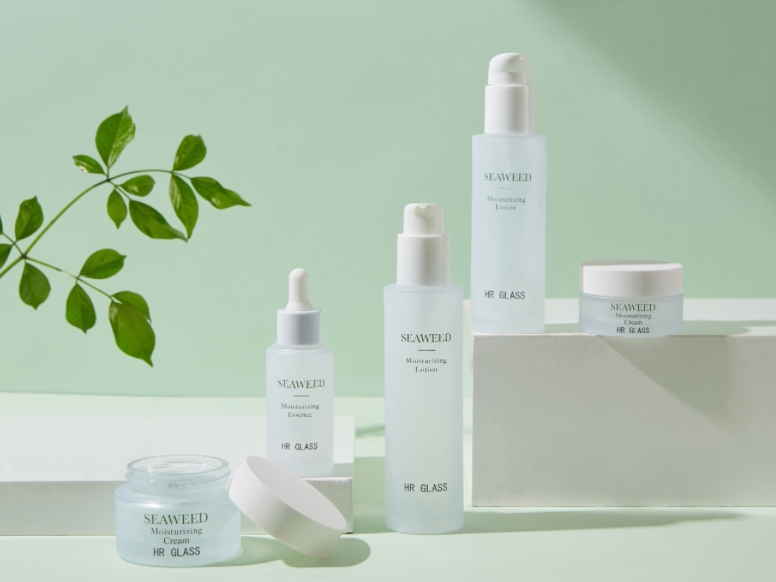
There is no absolute good or bad between packaging materials. Different products should choose their material based on brand, cost and formula. The right material is the starting point of every good choice.
Plastic bottles — advantages
- Lower density and weight; adjustable transparency; hard to break.
- Better corrosion, acid/alkali and impact resistance; higher mechanical strength.
- Easy to colour and shape; lower production loss.
- Generally cheaper than glass.
Plastic bottles — disadvantages
- First impression of being less eco-friendly.
- Can react chemically with some cosmetics and accelerate spoilage.
- Overall look can read as cheap, less suited to premium routes.
Glass bottles — advantages
- Composition is stable; does not react easily with skincare, so products stay fresher.
- Conveys a sense of luxury — transparent glass signals premium.
Glass bottles — disadvantages
- Heavier and more fragile; higher freight and breakage risk.
- Higher unit cost than plastic.
Decision table
| Choose glass when | |
|---|---|
| Formula | Fragile actives: retinol, vitamin C, acids, perfume |
| Brand | Premium positioning, short shipping |
Whatever you choose, run a 12-week compatibility test at 40 °C / 75% RH on the actual formula in the actual pack before committing to a full run.