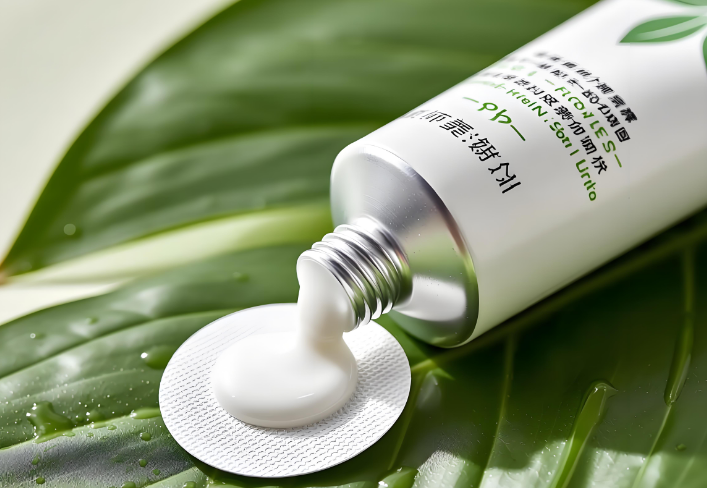
Tubes are built from PE, aluminium foil and films by co-extrusion and are favoured for being light, portable and printable. The right tube is the one matched to your specific product, not the cheapest standard size.
Match the tube to the product
| Product | |
|---|---|
| Creams & masks | ABL laminate, medium barrier |
| Serums & ampoules | Aluminium-plastic, high barrier |
| Toothpaste & gels | PBL, easy extrusion |
| Sachets & samples | Mono-material where possible |
Key specifications
- Diameter 16–50 mm drives how the tube feels in hand.
- Capacity from 5 ml sachets to 200 ml+ tubes.
- Head: flip-top, stand-up (crimp at base) or screw.
- Orifice and tube length set the dose.
- Laminate: ABL vs PBL vs mono.
Decoration & sustainability
Offset and silk-screen give photo-grade graphics; hot-stamp adds a premium metallic line. For sustainability, ask for PCR content and a mono-material structure that your local recycler actually accepts.
Common mistakes
- Choosing diameter by price, not by feel.
- Specifying high barrier for a formula that does not need it.
- Forgetting closure torque after filling.
- Ignoring how the print survives the fill line.
Send us the product, target capacity and shelf life and we will shortlist two tube structures with indicative costs.