A few years ago a customer sent us a photo that ended up in our internal training deck. They had filled a small polystyrene sample vial with a citrus blend, and three weeks later the vial was cloudy, crazed, and slightly deformed. The oil had not gone off. The packaging had. That photo is the shortest explanation I know of why essential oil packaging is its own discipline, and why we treat it differently from the rest of our glass dropper bottle work.
What essential oils actually do to packaging
Start with the chemistry, because it explains every recommendation in this post.
Most citrus and many other essential oils are rich in d-limonene and similar terpenes. Limonene is a genuine solvent. It attacks polystyrene — the cloudy vial in that photo — and it can soften or craze other styrenic and acrylic plastics over time. PET and glass hold up far better, but when a formula is nearly pure oil, glass is the only material I specify without reservations. It is chemically inert. There is nothing in it for the oil to dissolve.
The second threat is quieter: aroma compounds migrate. Small, volatile molecules permeate through plastics and through the wrong cap liners, and they extract additives as they go. The classic failure looks like this — a perfectly sealed bottle that smells right, under a cap whose liner has swollen, discolored, or picked up the scent so thoroughly that the next batch filled in that cap smells of the last one. We once received a returned shipment where every cap liner had gone tacky. The bottles were fine. The liners were cheap PVC foam. That supplier change cost the brand far more than the liner savings had ever been worth.
So when I evaluate essential oil packaging solutions, I ask two questions first: what does the oil dissolve, and what does the oil migrate through? Everything else follows.
Why glass is the default, and which glass
Glass does not react with essential oils, does not absorb them, and does not let them escape. That is why virtually every serious essential oil brand uses it, and it is why our [glass dropper bottle] line exists.
Within glass there are still choices. Hydrolytic resistance — how much the glass itself resists being leached by water and formulated products — comes in standardized classes, with borosilicate at the top and ordinary soda-lime glass below it. For most cosmetic and wellness oils, well-made soda-lime glass is perfectly adequate. For high-value or long-shelf-life products, or anything water-rich sitting against the glass for years, the higher class is cheap insurance.
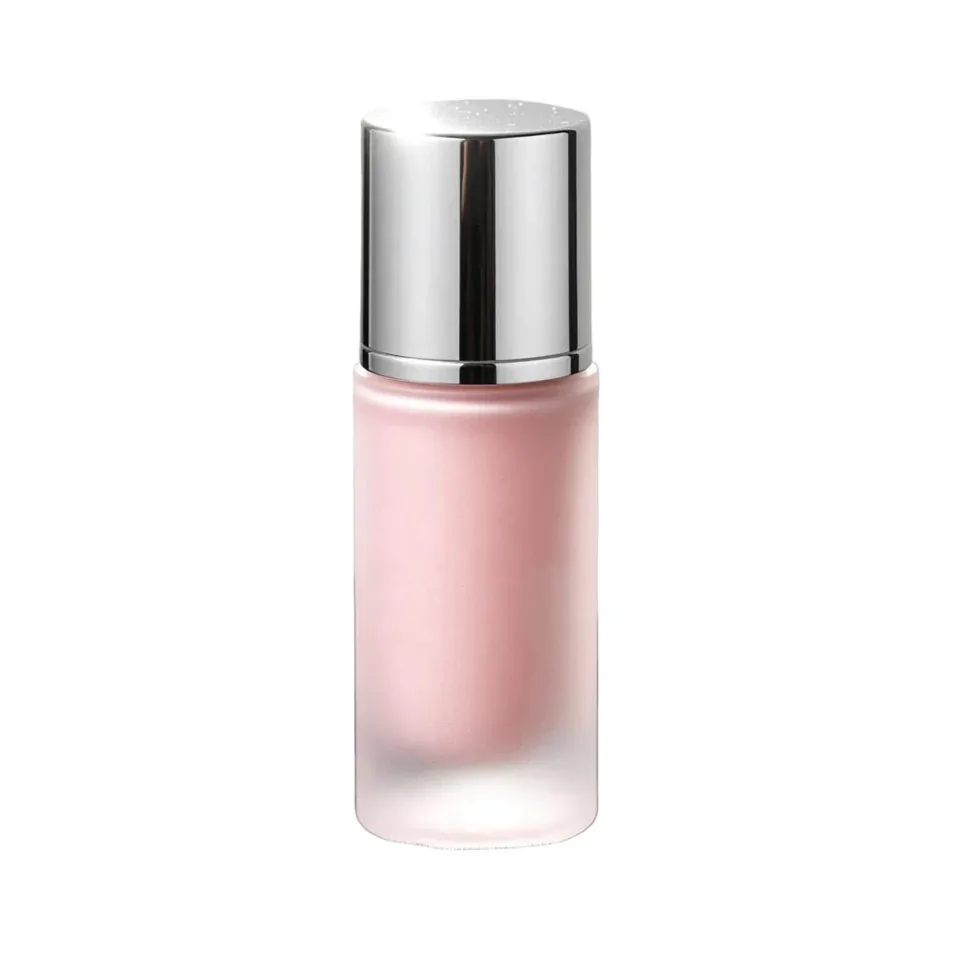
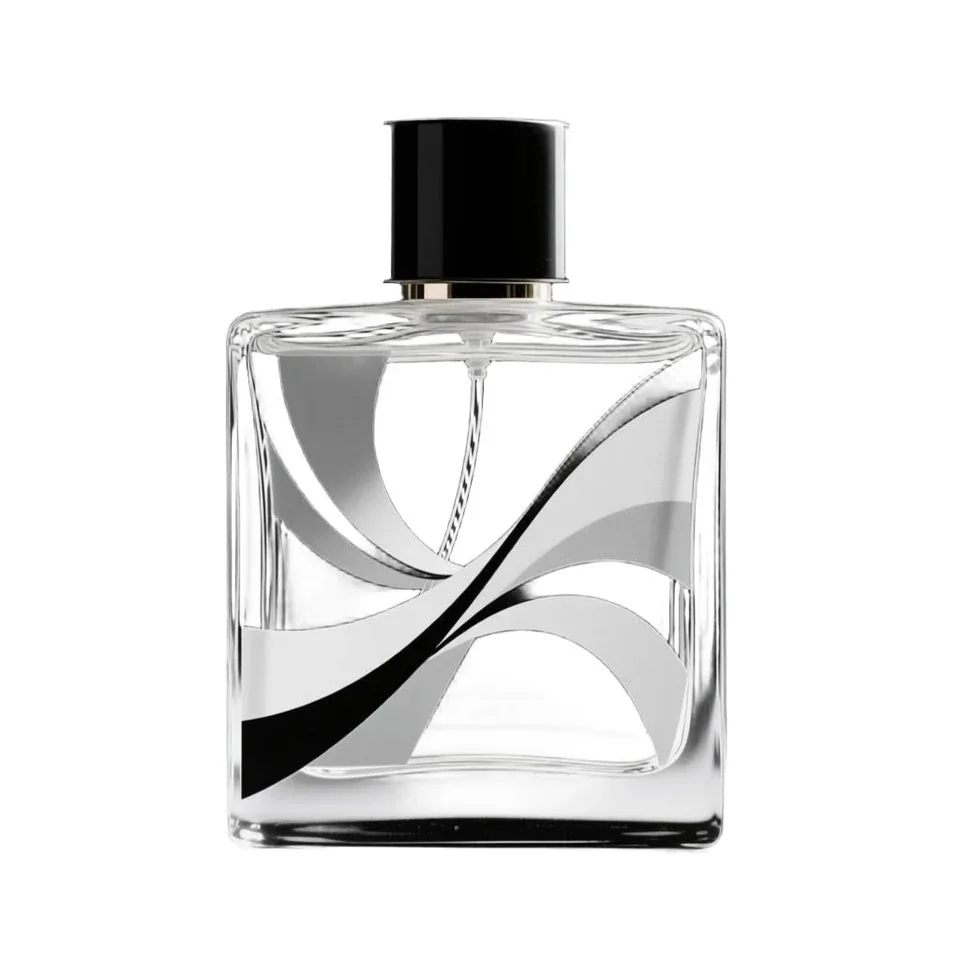
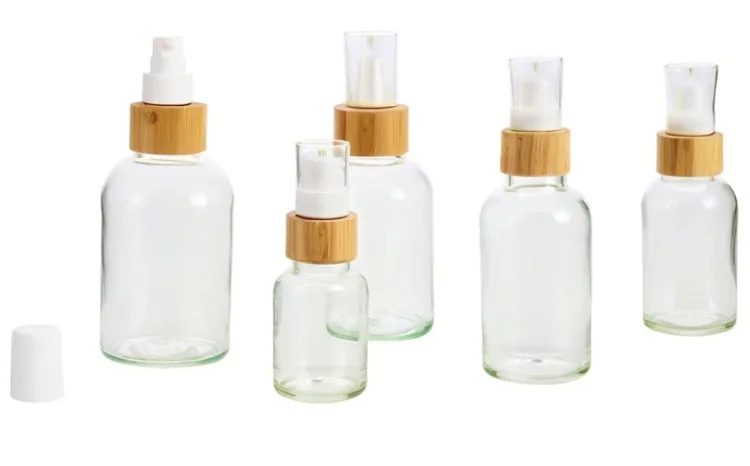
Then there is color. Ultraviolet light accelerates oxidation in essential oils: peroxides form, top notes fade, and the oil develops flat, rancid off-notes that no one can process out. Amber glass blocks the relevant part of the spectrum almost completely, which is why it dominates the category. Cobalt blue blocks less but still meaningfully more than clear glass, and a lot of brands choose it for the shelf. Clear glass is fine if the bottle lives inside a carton or a dark cabinet — our [glass mist spray bottle] in clear glass works well for hydrosols and mists that get used up quickly. But for a pure oil with a two-year shelf life sitting under retail lighting, I push amber every time.
Thick wall matters too, and not only for look and feel. Heavier glass survives transit, and it handles the daily abuse of a dropper being seated and removed hundreds of times without chipping the neck finish.
| Glass color | UV protection | Best for |
|---|---|---|
| Amber | Blocks the relevant part of the spectrum almost completely | Pure oils with long shelf lives under retail lighting |
| Cobalt blue | Meaningfully more than clear, less than amber | Brands choosing shelf color; shorter-lived blends |
| Clear | Minimal | Products used up quickly, or packed inside a carton |
Choosing the dropper system
The dropper is where most essential oil packaging actually fails, so this is where I spend inspection time.
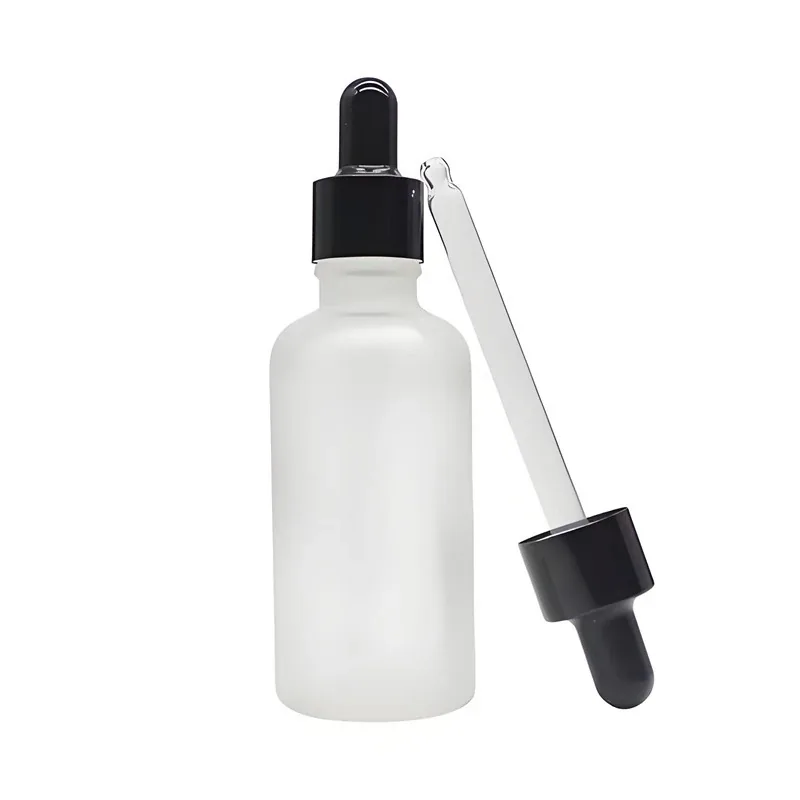
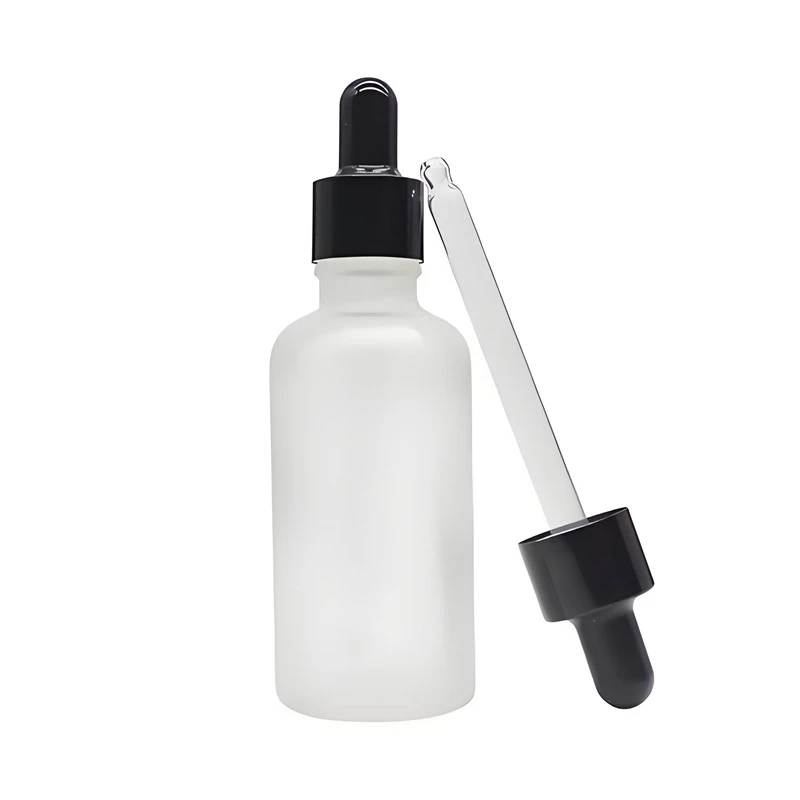
A standard glass dropper assembly has three parts: the pipette, the bulb, and the collar that screws onto the bottle. The pipette should be glass — never plastic, for the reasons above — and long enough to reach near the bottom of the bottle at its worst-case tilt, without touching the base. The bulb is the part buyers underestimate. Natural rubber bulbs swell and degrade in contact with oil vapors over time; silicone bulbs resist far better. If your product is nearly pure oil, ask what the bulb is made of before you ask about anything else.
Drop control is its own decision. A full-diameter pipette can deliver inconsistent, dribbling drops. An orifice reducer — a small insert set into the bottle neck — meters the oil into consistent single drops, which matters enormously for facial oils sold on "three drops per use." Many brands pair an orifice reducer with a simple cap, and use the pipette dropper only on premium SKUs.
Two more hardware decisions belong in every spec sheet. First, tamper evidence: a pilfer band, the small ring under the cap that breaks on first opening, is standard on the supplement and pharmacy side and is moving into cosmetics, especially for anything sold through marketplaces. Second, the liner under the cap. Avoid paper-lined and cheap foam liners entirely with oils. A polyethylene or polypropylene liner, or a cap with the liner material molded in, will not swell, will not taint, and will not stick to the neck after a year on a warm shelf.
| Component | Material | Behavior with essential oils |
|---|---|---|
| Cap liner | PVC foam | Swells, discolors, taints the next batch — avoid |
| Cap liner | PE or PP, or molded-in | Does not swell or stick; the safe default |
| Dropper bulb | Natural rubber | Degrades with oil vapor exposure over time |
| Dropper bulb | Silicone | Resists oil vapors; specify for pure oils |
| Pipette | Glass | Chemically inert; the only pipette material I recommend for pure oils |
Sizes and what they are for
One of the advantages of glass is how mature the size system is. Our [glass sample vial] and dropper bottle range follows the standard neck finishes, which means caps, droppers, and reducers from different suppliers stay interchangeable.
| Size | Typical use | Notes |
|---|---|---|
| 5 ml | Samples, travel sizes, rare blends | Pairs with sample vials and orifice reducers |
| 10 ml | Facial oils, serums | The workhorse size of the category |
| 15 ml | Premium facial and hair oils | Good balance of presence and freight |
| 30 ml | Body and massage oils | Heavier units; check carton strength |
One practical note on wholesale orders: because neck finishes are standardized, you can often start a custom program by combining stock bottles with custom printing and custom caps, rather than tooling a new bottle. For custom dropper bottles wholesale buyers, that approach gets you a distinctive shelf presence without the minimum-order weight of a full custom mold.
Leak control before anything ships
Leaks are the number-one complaint category for liquids sold online, and most of them are preventable at two checkpoints.
The first checkpoint is the closure itself. Every new bottle-and-cap combination gets assembled and torque-tested: applied to a defined torque, then checked for removal torque and seal seating. A cap that feels tight can still have a liner that is not fully compressing, and the only way to know is to measure. On our line, any change in cap supplier, bottle lot, or liner re-triggers this test, because components that ran fine together last quarter can drift out of spec.
The second checkpoint is a real leak test with real liquid. We fill units to worst-case conditions — maximum fill volume, room temperature — and invert them for 24 hours on absorbent paper. Nothing that shows a ring of oil on the paper ships. For air shipments, add one more consideration: sealed bottles experience pressure differential at altitude, and a marginal seal that passed on the ground can weep in the cargo hold. If your product flies, tell us, because it changes how conservative we set the closure spec.
Buyers can do a simple version of this at goods-in. Pull a handful of retail units, invert them on paper towel overnight, and check for rings. It takes ten minutes and it catches most closure problems before they reach your customers.
Shipping: think ISTA 3A
Bottle and closure right, the remaining risk is transit. The framework I use is ISTA 3A, the International Safe Transit Association's packaged-product test for parcels shipped through a distribution network. It combines drops, vibration, and compression — in other words, it simulates the actual journey: the courier belt, the truck, the doorstep drop.
For glass dropper bottles the countermeasures are unglamorous and effective. Inner partitions — corrugated dividers that keep every bottle separated — prevent the bottle-to-bottle contact that causes most breakage. Adequate void fill stops cartons from crushing in stack. And the test units should be filled, not empty: a half-filled bottle behaves differently in a drop, and the worst case is what you design for. We run transit tests on every new configuration, and I keep broken samples from failed tests in a drawer at the packing station so new operators see what an under-partitioned carton does at 1 a.m. in a sorting hub.
One detail worth specifying: put the fragile-but-correct statement on the carton if you like, but do not rely on it. Design the pack so it survives an indifferent handler. The sorting hubs do not read labels.
What to send us
If you are developing an essential oil line, send us the basics: what the product is, whether it is pure oil or a blend, the viscosity, the target markets, and whether it ships by air. We will suggest bottle and closure combinations from the glass dropper bottle and vial range, send samples so you can test against your actual formula, and quote both stock and custom routes. The photo of that ruined polystyrene vial is still in our training deck. It costs nothing to make sure your project never adds to it.